Skip to content

The right window coverings can significantly reduce energy costs whilst providing additional insulation that keeps cold draughts at bay. Different materials and styles offer varying levels of thermal protection, from Roman blinds with thermal linings to cellular blinds that trap air within their honeycomb structure.
Understanding which window treatments work best for specific needs involves considering factors such as insulation properties, ease of maintenance, and compatibility with existing décor. The selection process becomes simpler when homeowners know which features to prioritise and how different covering types perform in winter conditions.
The Role of Window Coverings in Winter Preparation
Windows lose more heat than any other surface in British homes during winter months. Window coverings serve as the primary defence against heat loss, cold draughts, and rising energy bills when temperatures drop.
Why Insulation Matters in Colder Months
Heat escapes through windows via three distinct methods that affect every home differently. Conduction allows warmth to pass directly through glass surfaces. Convection occurs when heated air escapes through gaps around window frames.
Radiation transfers heat energy from warm interior surfaces to cold exterior environments. These processes work simultaneously, creating significant energy loss during winter months.
Uninsulated windows can account for up to 40% of a home’s heat loss. Single-glazed windows perform particularly poorly, losing heat at rates that substantially increase heating costs. Even double-glazed windows benefit from additional window insulation through proper coverings.
The temperature difference between indoor and outdoor environments creates constant pressure for heat to escape. Winter window coverings reduce this transfer by creating insulating air barriers. These barriers trap warm air close to the window surface, preventing it from reaching the cold glass.
How Window Coverings Impact Energy Efficiency
Energy efficiency improvements from window coverings vary significantly based on the type and installation quality. Cellular blinds can reduce heat loss by up to 60% when properly fitted. Thermal curtains typically achieve 25-30% improvements in heat retention.
Proper installation maximises energy efficiency gains from window treatments. Gaps around edges allow heated air to escape, reducing overall effectiveness. Side channels and sealed edges prevent air circulation behind coverings.
Multi-layered window treatments combine different materials for enhanced performance. Pairing thermal curtains with cellular blinds creates multiple insulating barriers. This combination approach often delivers superior results to single-layer solutions.
Types of Energy-Efficient Winter Window Coverings
Thermal blinds, cellular blinds, and Roman blinds represent three distinct approaches to winter window insulation. Each type offers unique thermal properties and energy savings potential through different design mechanisms.
Thermal Blinds: A Simple and Effective Winter Upgrade
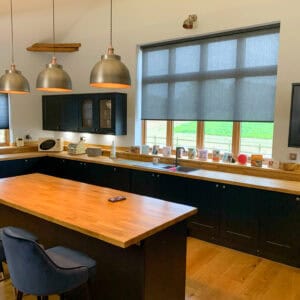
Thermal blinds are one of the easiest ways to boost insulation during the winter months. Designed with a special thermal or blackout lining, they reflect heat back into your room and reduce heat transfer through the glass.
They’re available in a wide range of styles — from roller blinds and Roman blinds to vertical and pleated designs — meaning you can combine warmth with a sleek, modern look.
Benefits of Thermal Blinds:
- Help maintain a consistent room temperature
- Reduce heat loss and lower energy bills
- Available in many fabrics, colours, and patterns
- Easy to operate and suitable for most window types
For homes with large or single-glazed windows, thermal blinds can make an immediate difference in comfort and cost savings.
Cellular (Honeycomb) Blinds: The Ultimate Insulating Solution
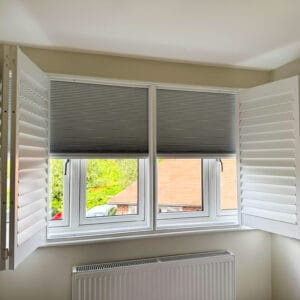
If energy efficiency is your top priority, cellular blinds (also known as honeycomb blinds or pleated blinds) are hard to beat. Their design features hexagonal air pockets that trap warm air, creating a powerful insulating layer between your window and room.
These blinds can reduce heat loss by up to 60% when fitted correctly, making them ideal for bedrooms, living rooms, and open-plan spaces.
Why Cellular Blinds Work So Well:
- The air pockets slow down heat transfer and minimise drafts
- Available in single or double-cell versions for different insulation levels
- Help reduce condensation on cold glass
- Offer a sleek, modern finish suitable for most home styles
They’re also available in blackout or light-filtering fabrics, so you can customise your level of privacy and warmth.
Roman Blinds: Style Meets Substance
Roman blinds bring warmth and elegance to any room — and when lined with thermal or blackout material, they’re a stylish way to insulate your home. The thick fabric folds naturally create a barrier that traps heat and blocks out cold drafts.
Benefits of Roman Blinds in Winter:
- Excellent heat retention when paired with thermal lining
- Soft, luxurious look that suits living rooms and bedrooms
- Wide range of fabrics and textures
- Can be layered with curtains for extra insulation
For a more traditional aesthetic, pair Roman blinds with floor-length curtains to create a layered window treatment that looks as good as it performs.
Plantation Shutters: Classic Insulation and Timeless Style
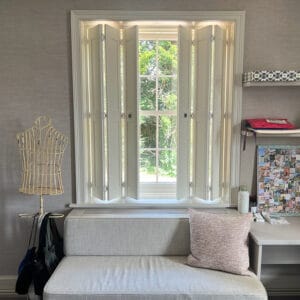
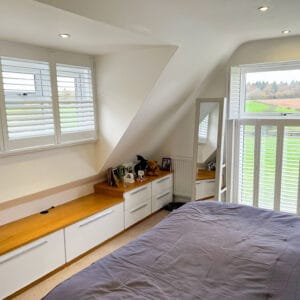
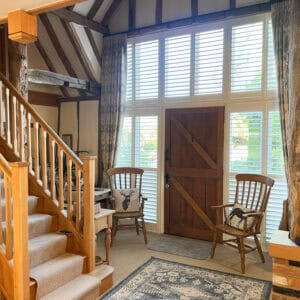
Plantation shutters are not only elegant and durable — they’re also excellent insulators. When closed, the louvres and solid frame create an air pocket that helps to keep heat inside and cold air out.
Whether you choose real wood or faux wood, both materials provide strong thermal performance and suit a wide range of interiors.
Advantages of Plantation Shutters:
- Strong thermal insulation all year round
- Control over light, privacy, and ventilation
- Long-lasting and easy to maintain
- Increase property value and kerb appeal
For maximum insulation, ensure your shutters fit snugly to the window frame. This helps to seal out drafts and provides one of the most effective defences against winter heat loss.
Bifold Door Blinds: Warmth Without Losing Light
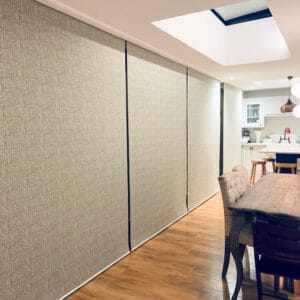
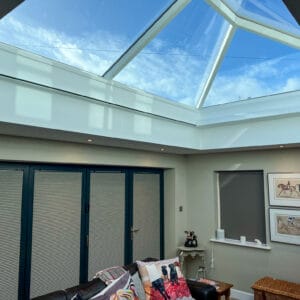
Bifold doors are stunning but can be challenging to insulate. Large panes of glass lose heat quickly, especially during cold snaps. The solution? Made-to-measure bifold door blinds designed specifically for these expansive openings.
Options include perfect-fit pleated blinds, cellular blinds, and motorised roller blinds, all of which help maintain warmth while preserving the natural light bifold doors are known for.
Why Bifold Door Blinds Are Ideal in Winter:
- Custom fit prevents gaps and drafts
- Retain privacy while letting in daylight
- Easy to retract fully during the day to maximise sunlight
- Available in energy-efficient, thermally-lined fabrics
With the right blinds, you can enjoy the view without sacrificing comfort or energy efficiency.
Roof Lantern Blinds: Essential for Winter Comfort
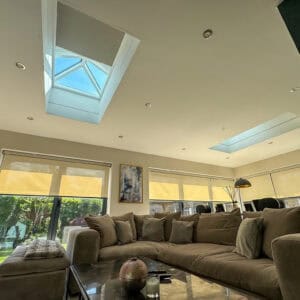
Roof lanterns and skylights flood your home with light — but they can also let out a lot of heat in winter. Installing roof lantern blinds helps maintain warmth while allowing control over light and privacy.
These blinds fit neatly beneath your roof lantern and can be manual or motorised for convenience.
Benefits of Roof Lantern Blinds:
- Reduce heat loss through overhead glass
- Prevent condensation and glare
- Available in insulating and light-blocking fabrics
- Can be integrated into smart home systems for automated use
In winter, closing your roof lantern blinds at dusk helps retain daytime heat — keeping your open-plan living space comfortable and cosy.
Conservatory Blinds: Turning Cold Spaces into Cosy Retreats
Conservatories are often the coldest rooms in a home during winter, mainly due to the amount of exposed glass. Fitting insulating conservatory blinds transforms the space into a year-round living area.
Options like pleated, cellular, or thermal roller blinds are perfect for roof panels and windows alike. They trap warm air inside, reduce glare, and help balance the temperature.
Benefits of Conservatory Blinds in Winter:
- Reduce heat loss through glass walls and roof
- Make the space usable even in colder months
- Available in solar-reflective and thermal fabrics
- Help lower heating costs
With modern materials and smart fitting systems, conservatory blinds are a practical investment for comfort and energy efficiency.
Motorised Blinds and Home Automation: Smart Comfort for Modern Living
For the ultimate in convenience and energy management, motorised blinds are a must-have. They can be programmed to open and close automatically based on time, temperature, or sunlight — helping regulate your home’s temperature effortlessly.
When integrated with smart home systems such as Alexa, Google Home, or Control4, your blinds can react intelligently to daily conditions.
Benefits of Motorised Blinds:
- Automate heat retention and solar gain
- Operate hard-to-reach blinds easily
- Add modern luxury and safety (no cords)
- Save energy by syncing with smart thermostats
For example, your blinds could automatically close at sunset to keep warmth inside, then open in the morning to let in natural light and heat — all without lifting a finger.
Maximising Insulation: Layering for Performance and Style
Combining different window coverings can enhance both warmth and aesthetics. For example:
- Layer cellular blinds behind plantation shutters for maximum insulation.
- Pair Roman blinds with curtains to block drafts and add texture.
- Use roof lantern blinds alongside motorised side blinds for full control of temperature and light.
These layered solutions create multiple insulating air pockets — helping your home stay warmer for longer.
Additional Winter Preparation Tips
To get the most from your blinds and shutters, consider these extra winter home prep ideas:
- Seal gaps around windows with weatherstripping.
- Keep blinds open during sunny hours to capture solar warmth.
- Close them at dusk to trap heat inside.
- Use draft excluders for doors and older window frames.
- Schedule a professional fitting to ensure there are no gaps for air to escape.
Stay Warm, Save Energy, and Enjoy Every Room This Winter
Preparing your home for winter doesn’t just mean turning up the heating — it means keeping the warmth you already have. The right blinds and shutters create comfort, style, and measurable energy savings.
Whether you’re looking for cellular blinds for insulation, plantation shutters for elegance, or motorised blinds for smart living, Winchester Blinds and Shutters can design, supply, and install the perfect solution — made-to-measure for your home.
Contact us today for a free home consultation and quote.
Let us help you find the perfect window coverings to keep your home warm, stylish, and efficient all season long.
FAQs
Cellular honeycomb blinds provide superior insulation through their multi-chambered design that traps air. The honeycomb structure creates thermal barriers that can reduce heat loss by up to 40% compared to bare windows.
For larger glass areas, roof lantern blinds, bifold door blinds and conservatory blinds help retain heat efficiently.
Insulated Roman blinds combine aesthetic appeal with functional benefits. Quality thermal blinds feature reflective backing materials that redirect heat back into the room.
Energy-efficient window coverings reduce heating costs by preventing warm air from escaping through windows. Windows can account for 25% of total heat loss in homes, making proper covering essential.
Thermal blinds and shutters can lower energy consumption by 10-20% during winter months. The exact savings depend on window size, home insulation quality, and local climate conditions.
Properly fitted cellular blinds create dead air spaces that act as insulators. This reduces the workload on heating systems and maintains more consistent indoor temperatures.
Multi-layered window treatments provide cumulative energy savings. Combining thermal curtains with cellular shades maximises heat retention and reduces heating system cycling.
Yes — plantation shutters are excellent insulators and one of the most effective ways to keep your home warm in winter. When closed, their solid panels and snug fit within the window frame create a sealed air pocket that traps heat inside and blocks cold drafts from entering. This extra layer of insulation significantly reduces heat loss through glass, helping rooms stay warmer and cutting down on energy bills. Both real wood and faux wood shutters provide strong thermal performance — real wood offers natural insulation, while faux wood is ideal for moisture-prone spaces like kitchens and bathrooms. Beyond warmth, shutters also help reduce outside noise, minimise condensation, and can even keep your home cooler in summer, making them a smart, year-round investment in comfort and energy efficiency.
Milti-zone cellular blinds allow light entry whilst maintaining privacy and insulation. These designs enable partial opening from either direction to control both illumination and heat retention.
Light-filtering cellular fabrics provide thermal benefits whilst preserving daylight transmission. Semi-opaque materials reduce glare whilst maintaining insulating air pockets.
Layered treatments combine sheer and thermal panels for flexible light control. Homeowners can adjust coverings throughout the day to balance heating efficiency with natural lighting needs.
Motorised systems enable precise positioning for optimal light and temperature management. Programmable controls automatically adjust coverings based on time and weather conditions.
Layered systems combine different materials to maximise thermal performance. Pairing cellular blinds with plantation shutters creates multiple insulating barriers against cold air infiltration.
Flexibility allows seasonal adjustments without complete replacement. Light filtering layers remain whilst heavy thermal treatments can be added or removed as temperatures change.
Enhanced moisture control prevents condensation between window layers. Proper spacing between treatments allows air circulation whilst maintaining insulation benefits.
Aesthetic versatility accommodates changing décor preferences. Different textures and colours in layered systems provide design options whilst serving functional purposes.
Yes — motorised blinds can play a major role in improving your home’s energy efficiency and reducing heating costs. By automating your blinds to close at dusk or when indoor temperatures fall, you can retain warmth during winter evenings and prevent heat from escaping through glass. When integrated with smart home systems or temperature sensors, motorised blinds can adjust automatically based on sunlight or time of day — opening in the morning to capture natural solar heat and closing as temperatures drop. This intelligent scheduling reduces the strain on your heating system and helps maintain a stable indoor temperature without manual effort. Over time, this automation not only saves energy but also enhances comfort, convenience, and security, making motorised and smart blinds an increasingly popular choice for modern, energy-conscious homes.
We supply many Blinds, Shutters and Awnings to customers all over Hampshire and the home counties including towns and villages such as Alresford, Stockbridge, Romsey, Eastleigh and Southampton.
We offer a fully comprehensive package for homes throughout Hampshire, Dorset, Surrey, Sussex, Kent and London.
Contact us here for a free no obligation quotation.
Discover all about our awnings and canopies by visiting our sister site winchesterawnings.com